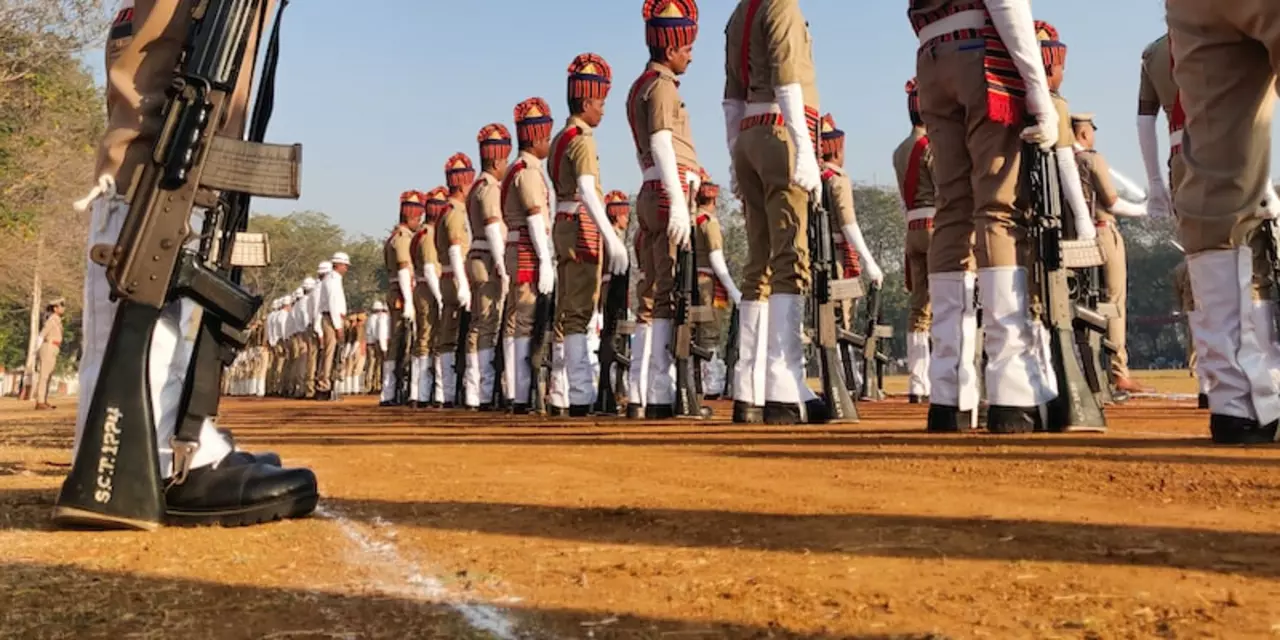
The Indian police are known for their violent tactics in dealing with people in custody. There are several reasons why the police resort to physical violence, including a lack of resources and training, a lack of public accountability for their actions, and the fact that violence is seen as an easy way to extract confessions or information. This has led to an entrenched culture of impunity, where officers are rarely held to account for their actions and victims of police brutality have little recourse. This is a major human rights concern, and steps must be taken to ensure that police officers are held accountable for their actions and that people in custody are treated humanely.
 0
0

The article discusses the areas in Delhi that are known for their wealthy and affluent residents. It identifies some of the most exclusive, affluent and expensive areas of the city, including New Delhi, Greater Kailash, Vasant Kunj, Defence Colony, Anand Niketan and South Extension. It also mentions some of the areas that are home to wealthy Indians and expats, such as Gurgaon and Dwarka. Additionally, the article provides some tips on how to identify affluent areas, including looking for luxury cars, high-end malls, and large houses with gates and guards. In conclusion, Delhi is home to many wealthy and affluent communities, and it is possible to identify them by looking for certain features.
0

Crime in Delhi is a major concern for the city's residents and authorities. By implementing a combination of measures, the city can reduce crime rates and make it a safer place for all. These measures include increased police presence, better street lighting, improved CCTV surveillance, better education and awareness, community engagement and improved laws and regulations. Keywords: reduce crime, Delhi, police presence, street lighting, CCTV surveillance, education, awareness, community engagement, laws and regulations.
0

Crime rates in Delhi are amongst the highest amongst all major cities in India. In order to reduce crime in Delhi, a multi-pronged approach needs to be adopted. This should involve better policing, tougher laws and better enforcement of existing laws. Additionally, initiatives need to be taken to improve economic and social conditions in the city in order to reduce the incentive to commit crimes. These initiatives should involve improving education, providing better job opportunities and addressing poverty.
0

Tap water in Delhi is of poor quality due to high levels of pollution in the Yamuna River and inadequate water treatment practices. The city's water supply is mainly drawn from the river, which is heavily contaminated by toxic industrial and agricultural waste, sewage, and other pollutants. Furthermore, inadequate water treatment practices, leakages, and insufficient infrastructure maintenance contribute to the poor quality of the water. Keywords: Delhi, tap water, quality, pollution, Yamuna River, water treatment, industrial waste, agricultural waste, sewage, infrastructure.
0