When the votes were counted in Mandi, Himachal Pradesh, the message from voters was unmistakable. The Bharatiya Janata Party (BJP) has secured a commanding majority in the recent municipal corporation elections, winning 12 out of the contested wards. Meanwhile, the ruling Indian National Congress suffered a severe setback, managing to hold onto just a single seat.
The results, declared recently, mark a significant shift in local governance dynamics for the historic town. While the BJP celebrated a landslide victory across the city, the opposition found itself marginalized. Interestingly, one ward saw an independent candidate emerge victorious, adding a layer of complexity to the political arithmetic. This isn't just another local poll; it’s a clear indicator of shifting voter sentiment in a state where the Congress party has traditionally held strong roots.
A Decisive Verdict at the Ballot Box
Here’s the breakdown that stunned many political analysts. Out of the total 15 wards in the Mandi Municipal Corporation, elections were conducted in 14. One ward did not see voting due to unspecified administrative reasons, leaving the count slightly ambiguous in some reports. However, the core outcome remains consistent across all sources: the BJP swept 12 seats.
But wait, there’s more to the story than just numbers. The Congress party, which forms the state government, was reduced to a solitary seat. An independent candidate claimed the remaining spot among the contested wards. This distribution—12 for the BJP, 1 for Congress, and 1 for an independent—paints a picture of dominant regional support for the national party. Local media outlets like ETV Bharat described this as a "landslide victory," while others termed it a "massive blow" to the incumbent state leadership.
The details are still being pieced together regarding specific vote margins in each ward, but the overall trend is undeniable. In urban centers like Mandi, where development issues often take precedence over traditional caste or community lines, the BJP appears to have successfully connected with the electorate’s aspirations.
Jayram Thakur’s Sharp Response
The political fallout began almost immediately after the results were announced. Jayram Thakur, Leader of Opposition in the Himachal Pradesh Legislative Assembly, took center stage. As the former Chief Minister and a key figure in the state’s BJP apparatus, his reaction carried weight.
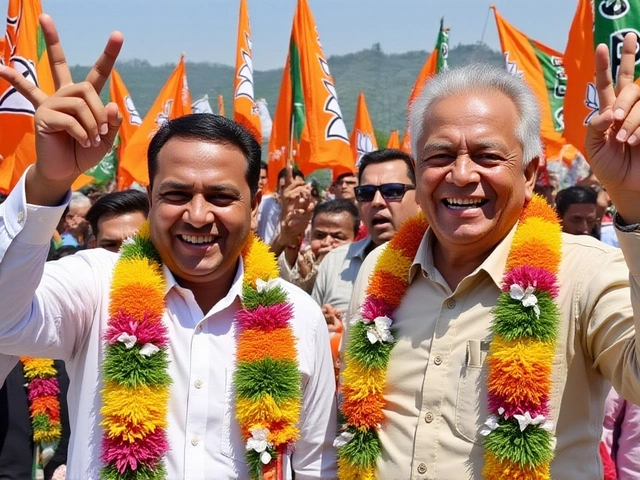
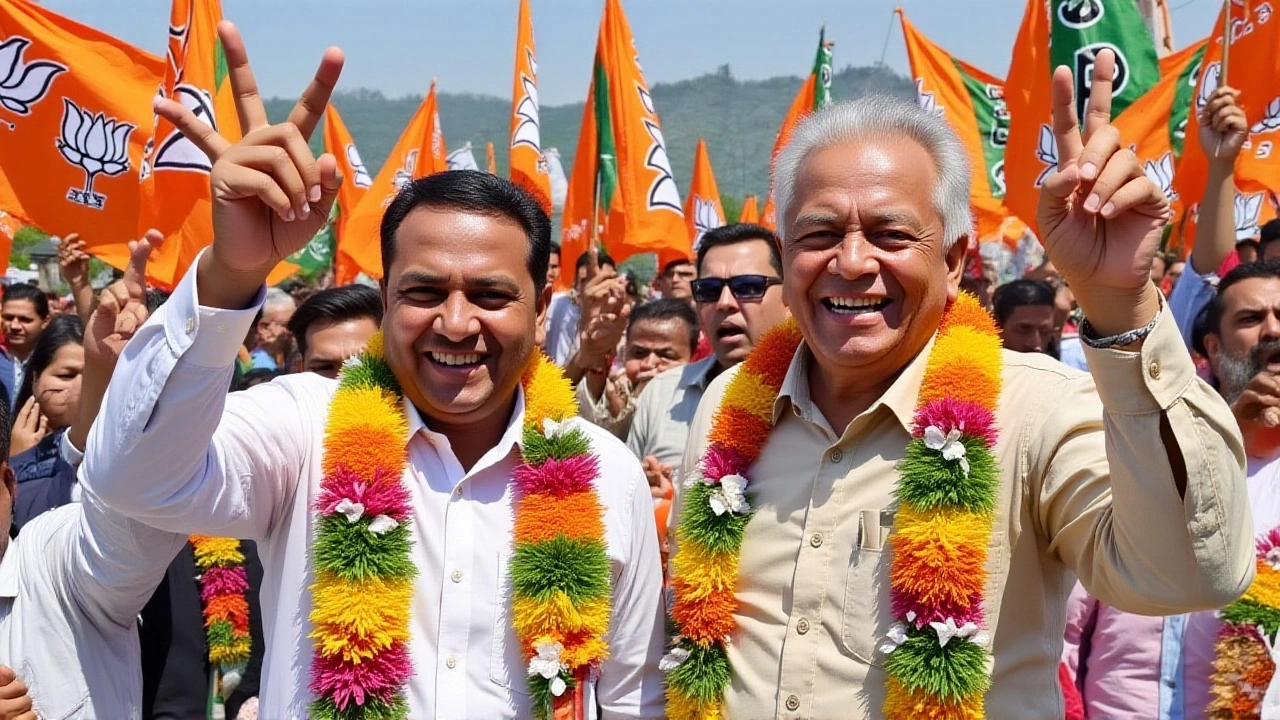
Thakur addressed jubilant supporters at the iconic Seri Stage in Mandi. He didn’t mince words. Thanking the voters for their trust, he framed the election result as a direct verdict against the current Congress-led state government. "This victory is a reflection of the people's desire for change and effective governance," Thakur implied, using the platform to launch sharp critiques of the ruling party’s performance.
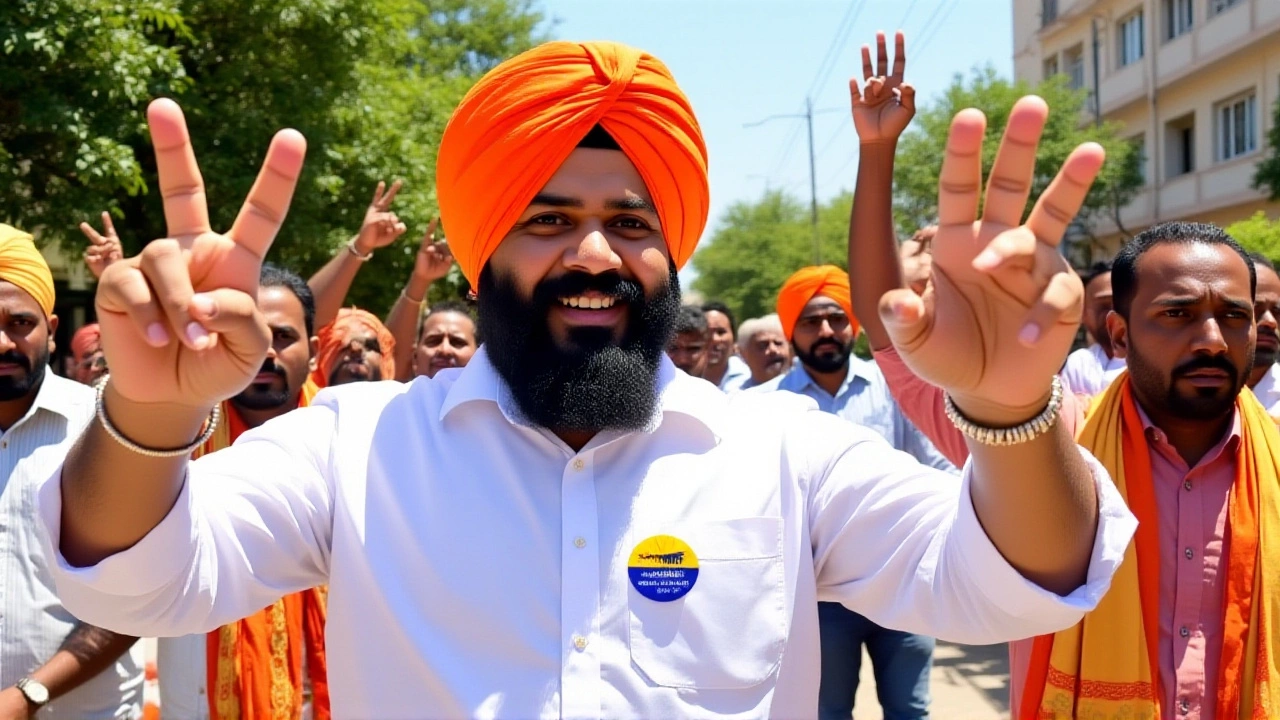
His presence underscored the significance of these local polls. For the BJP, this wasn't just about controlling a municipal body; it was about proving their grassroots strength ahead of larger electoral battles. The celebrations weren't confined to speeches either. Supporters across various wards organized rallies, danced in the streets, and set off fireworks, turning the quiet hill town into a hub of partisan fervor.
Broader Implications for Himachal Politics
Why does this matter beyond Mandi? Well, local body elections are often seen as barometers of public opinion. When a ruling party faces such a drubbing in municipal polls, it signals underlying dissatisfaction among voters. The Congress party, which has governed Himachal Pradesh for decades, is now facing mounting pressure to explain its declining influence at the grassroots level.
Similar trends have been observed in other parts of the state. For instance, in Solan Municipal Corporation elections, the BJP also performed strongly, winning six out of eight contested wards in certain phases. This pattern suggests a broader realignment rather than an isolated incident in Mandi. The ripple effects could be felt in upcoming assembly elections, where every vote counts.
Experts suggest that the BJP’s focus on infrastructure projects and welfare schemes in urban areas may have resonated with middle-class voters. In contrast, the Congress party struggled to present a cohesive narrative, possibly hampered by internal disagreements or a lack of strong local candidates.
What Comes Next?
With the BJP holding a clear majority, the next step is the formation of the municipal council leadership. The party will likely nominate its own Mayor and Deputy Mayor, ensuring control over civic decisions ranging from waste management to water supply. This consolidation of power allows them to implement their agenda without significant opposition hurdles.
For the Congress party, the immediate task is damage control. They need to analyze what went wrong and rebuild their organizational structure at the ward level. Can they recover before the next major election? That remains the big question. Meanwhile, the independent winner’s role will be intriguing to watch—will they ally with either major party, or maintain a neutral stance?
The details of the first council meeting are yet to be finalized, but expect heated debates over budget allocations and development priorities. The BJP’s dominance means their vision for Mandi’s future will largely dictate the pace of progress in the coming years.

Background: A History of Political Shifts
Mandi has always been a politically vibrant district. Historically, it has swung between parties based on leadership charisma and issue-based campaigning. The last few years have seen increased competition, with both major parties investing heavily in local outreach.
This election follows a period of intense campaigning focused on urban amenities. Issues like road repairs, sanitation, and digital connectivity were prominent themes. The BJP’s campaign emphasized their track record in previous terms, while Congress highlighted their experience in state-level governance. Ultimately, voters chose the former’s approach.
It’s worth noting that social media played a crucial role in disseminating information and mobilizing support. Platforms like Instagram and YouTube were flooded with updates, reactions, and analyses from journalists and citizens alike. This digital engagement helped amplify the sense of momentum for the BJP even before the final counts were official.
Frequently Asked Questions
How many total seats are in the Mandi Municipal Corporation?
The Mandi Municipal Corporation comprises a total of 15 wards. However, in this recent election cycle, voting was conducted only in 14 wards. One ward did not hold elections due to administrative reasons, which explains why some reports cite "12 out of 14" while others say "12 out of 15." The actual number of elected representatives is 14.
Who won the most seats in the Mandi MC election?
The Bharatiya Janata Party (BJP) won the most seats, securing victories in 12 wards. This gives them a clear majority and the ability to form the municipal council leadership independently. The Indian National Congress won only 1 seat, and an independent candidate won the remaining 1 seat among the contested wards.
What did Jayram Thakur say about the results?
Jayram Thakur, the Leader of Opposition in Himachal Pradesh, addressed supporters at Seri Stage in Mandi. He thanked voters for their mandate and used the occasion to criticize the Congress-led state government. He portrayed the BJP's victory as a rejection of the current administration's policies and a demand for better local governance.
Why is this result significant for the Congress party?
This result is significant because the Congress party is currently in power at the state level. Losing decisively in a key municipal corporation like Mandi signals weakening grassroots support. It raises questions about their ability to connect with urban voters and manage local issues effectively, potentially impacting their performance in future state assembly elections.
Did any independent candidates win?
Yes, one independent candidate won a seat in the Mandi Municipal Corporation elections. This adds a minor variable to the council dynamics, though with the BJP holding 12 seats, the independent member is unlikely to sway the overall balance of power significantly unless they choose to collaborate with the opposition.