Girl 6, Spike Lee’s 1996 film, isn’t just another movie about sex work. It’s a quiet, unflinching portrait of a young woman navigating loneliness, survival, and identity in a city that rarely looks her in the eye. The story follows a nameless girl-played by Lisa Bonet-who answers a phone line labeled "Girl 6" to earn money after being turned down for a job at a record label. What follows isn’t glamorized or sensationalized. It’s real. Messy. Human.
There’s a moment in the film where she talks to a client who asks if she’s ever been in love. She doesn’t answer right away. That silence speaks louder than any monologue could. It’s this kind of restraint that makes Girl 6 stand out even today. While other films turn prostitution into plot devices or moral lessons, Spike Lee lets the character breathe. She’s not a victim. She’s not a villain. She’s just trying to get by. If you’ve ever scrolled through sites like eu escort london and wondered about the people behind the profiles, Girl 6 gives you a glimpse without the filters.
How the Film Captures Isolation in the Digital Age
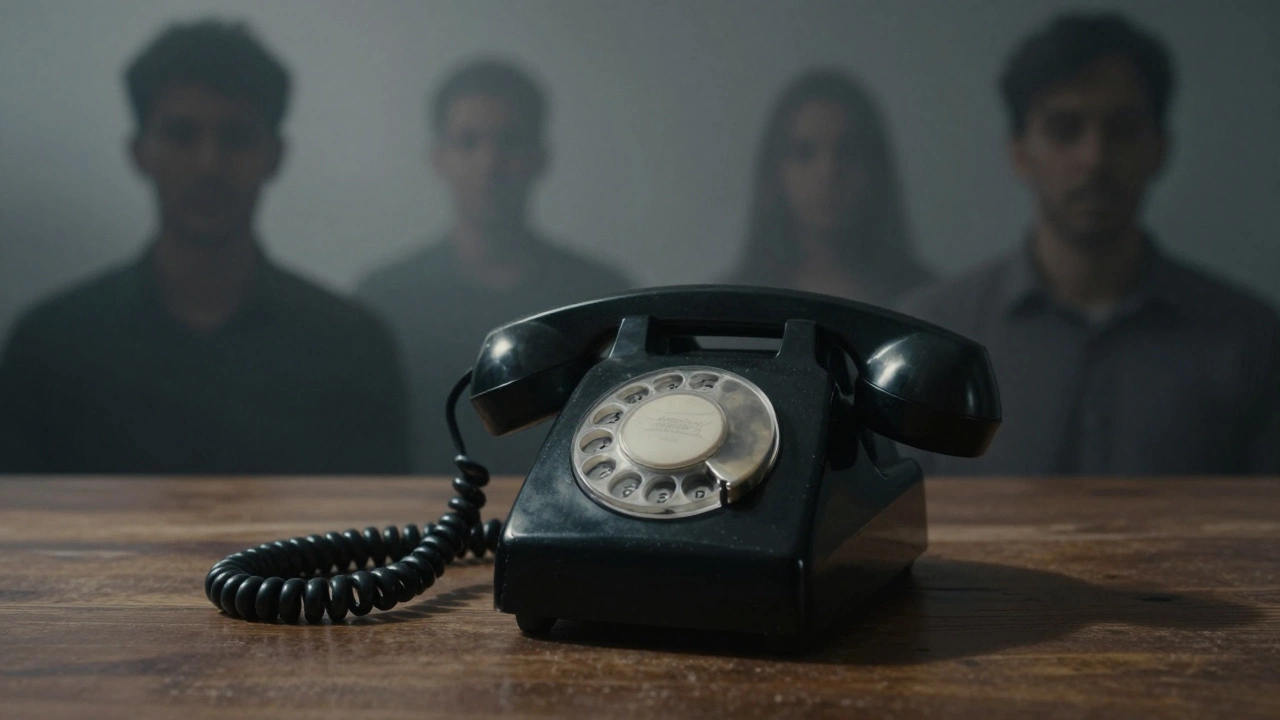
Girl 6 came out before smartphones, before Instagram, before dating apps became the default way to meet people. But its themes feel more relevant now than ever. The girl in the film uses a phone line to connect with strangers-no face, no name, just voice. Today, people use apps to do the same thing. The anonymity is different, but the emotional cost? Still the same.
She doesn’t talk about her life outside the calls. We never learn her real name. We don’t see her family. We don’t know where she lives. That absence isn’t a flaw-it’s the point. The film shows how society reduces people to their function. A phone sex operator isn’t a person with dreams, fears, or memories. She’s a service. And that’s exactly what the film forces you to confront.
The Voices Behind the Line
One of the most powerful elements of Girl 6 is the variety of callers. Each one is a snapshot of American masculinity in the mid-90s: the lonely businessman, the insecure teenager, the angry ex-husband, the philosophical stranger who just wants to be heard. None of them see her as real. They all project their own needs onto her voice. And she plays along-not because she wants to, but because she has to.
There’s a scene where she hangs up after a call and just stares at the wall. No music. No dialogue. Just silence. That moment isn’t edited for drama. It’s there because life doesn’t always need a soundtrack to hurt. It’s in those quiet spaces that the film finds its truth.
Why Girl 6 Was Misunderstood at Release
When Girl 6 premiered, critics didn’t know what to do with it. Some called it "too slow." Others said it "lacked a clear message." But that was the point. Spike Lee wasn’t trying to solve the problem of exploitation. He was just showing it. No hero. No redemption arc. No tidy ending.
It didn’t fit the mold of what audiences expected from a film about sex work. Hollywood prefers stories where the woman gets rescued, turns her life around, or becomes a symbol of empowerment. Girl 6 doesn’t do any of that. She doesn’t quit. She doesn’t get saved. She keeps working. And that’s what makes it radical.
Connections to Modern Sex Work and Online Platforms
Today, women use platforms like OnlyFans, OnlyGirls, and escort directories to monetize their presence. The tools have changed, but the dynamics haven’t. Many still operate under pseudonyms. Many still hide their identities. Many still face judgment from people who don’t understand why they’d choose this path.
Girl 6 doesn’t romanticize any of it. It doesn’t condemn it either. It simply says: this is what it looks like when someone has no other options. The film’s quiet realism makes it more powerful than any documentary or news report ever could. If you’ve ever read about eurogirlsescort london and wondered what the women behind the ads are really experiencing, Girl 6 is the closest thing to an honest answer.
Why It Still Matters in 2025
Twenty-nine years after its release, Girl 6 hasn’t aged. It’s become more urgent. With rising housing costs, stagnant wages, and the collapse of social safety nets, more people are turning to survival-based work. The stigma hasn’t lessened. The conversations haven’t improved.
What makes Girl 6 timeless is that it refuses to offer easy answers. It doesn’t ask you to feel sorry for the girl. It asks you to see her. To hear her. To recognize that her voice-no matter how anonymous-is still human.
There’s a line near the end where she says, "I’m not what you think I am." That line isn’t just for the callers. It’s for the audience. It’s for the people who scroll past profiles on sites like elite escort london without thinking twice. It’s for anyone who assumes they know someone’s story based on their job.
What You Should Watch After Girl 6
If Girl 6 moved you, here are a few films that carry the same quiet intensity:
- Call Me by Your Name - For its emotional restraint and unspoken longing
- Thelma & Louise - For its portrayal of women pushed to the edge by a system that doesn’t care
- Martha Marcy May Marlene - For its psychological depth and isolation
- The Handmaiden - For its layered performances and hidden power dynamics
None of these films are about sex work. But they all understand what Girl 6 understands: that people are more than their roles.
Final Thoughts
Girl 6 isn’t a film you watch for entertainment. It’s a film you sit with. You let it settle. You think about it the next day. You wonder if you’ve ever treated someone the same way the callers treat the girl-reducing them to a function, ignoring their humanity because it’s easier.
Spike Lee didn’t make this film to shock. He made it to remind us. And in 2025, that reminder is more necessary than ever.